
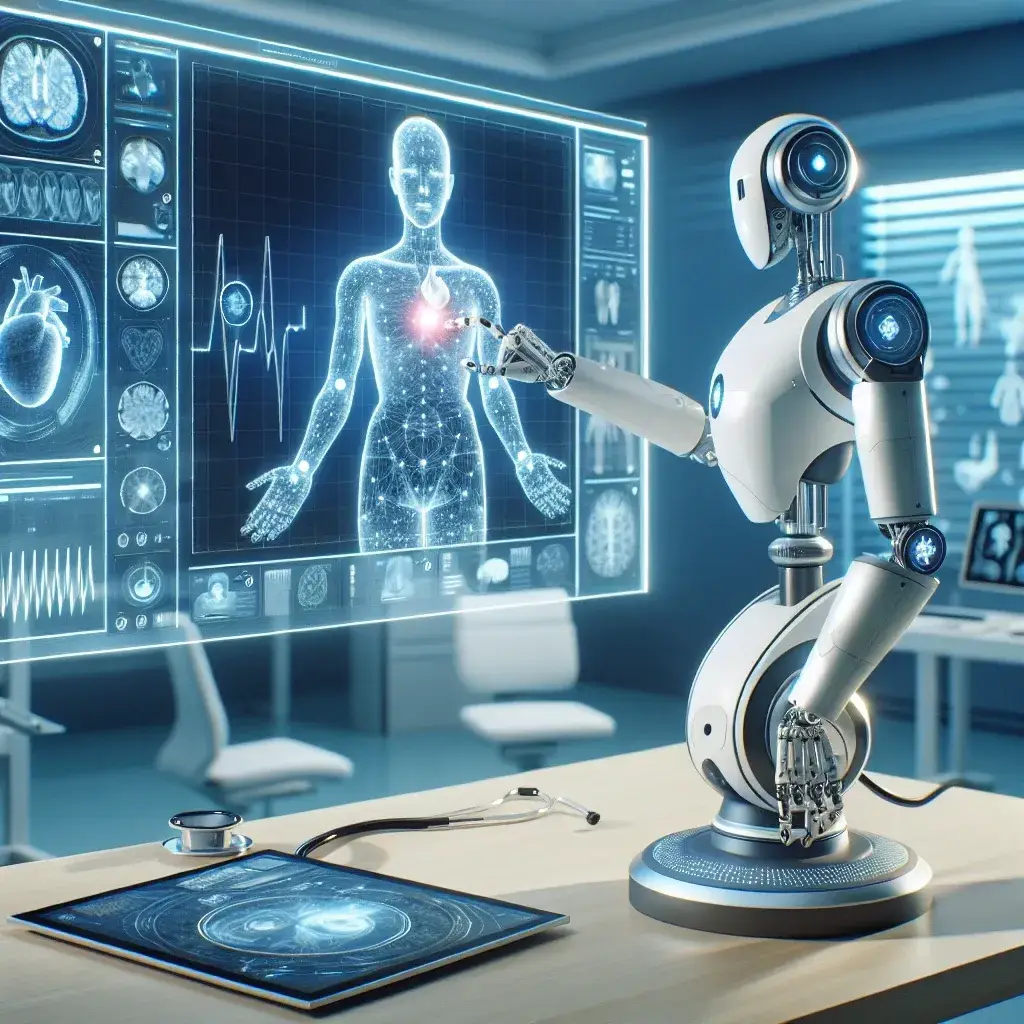
Introduction to Telemedicine Robots
In recent years, the advent of telemedicine has transformed the landscape of healthcare, making it more accessible and efficient. With the rise of technology, telemedicine robots have emerged as a crucial tool in facilitating remote healthcare services. These robots not only enable doctors to consult patients from afar but also allow for remote physical examinations with the aid of haptic feedback technology.
The Evolution of Telemedicine
Telemedicine has its roots in the early days of telephone communication, but its real growth occurred in the late 20th century with the advent of the internet. As technology improved, so did the capabilities of telemedicine:
- 1990s: Initial video conferencing technologies began to be used in healthcare.
- 2000s: The introduction of electronic health records started to streamline patient information.
- 2010s: Mobile health applications and remote monitoring devices gained popularity.
- 2020s: The COVID-19 pandemic accelerated the need for remote medical services, bringing telemedicine robots into the spotlight.
Understanding Telemedicine Robots
Telemedicine robots are sophisticated machines designed to assist healthcare professionals in delivering remote care. Equipped with advanced sensors and cameras, these robots can:
- Conduct virtual consultations with patients.
- Perform remote physical examinations.
- Transmit vital health data to healthcare providers in real time.
Haptic Feedback Technology Explained
One of the groundbreaking features of these robots is haptic feedback. This technology simulates the sense of touch, enabling healthcare providers to feel the patient’s body as if they were physically present. It consists of:
- Force Feedback: The robot applies pressure to mimic the sensation of palpation during examinations.
- Tactile Feedback: It provides realistic sensations, such as temperature and texture, allowing for a more thorough assessment.
How Telemedicine Robots Work
The operational process of telemedicine robots involves several key components:
1. User Interface
Healthcare professionals interact with the robot through an intuitive interface, which allows them to control its movements and functions seamlessly.
2. Remote Connectivity
The robots connect to high-speed internet, enabling real-time communication between the provider and the patient. This eliminates lag, making remote examinations effective and efficient.
3. Data Transmission
During examinations, all gathered data, including images and haptic feedback information, is transmitted instantly to the healthcare provider’s system for analysis.
4. Patient Interaction
Patients interact with the robot during the examination, following instructions from the healthcare provider, which enhances the examination process.
Benefits of Telemedicine Robots
The integration of telemedicine robots into healthcare offers a plethora of benefits:
- Accessibility: Patients in remote or underserved areas can receive quality healthcare without the need to travel.
- Efficiency: Robots can operate around the clock, allowing for faster diagnosis and treatment.
- Cost-Effectiveness: Reduces the overhead costs associated with traditional in-person consultations.
- Patient Safety: Minimizes the risk of contagion, particularly in situations like the COVID-19 pandemic.
Challenges and Limitations
Despite their advantages, telemedicine robots also face challenges:
- Technical Issues: Connectivity problems or software malfunctions can hinder effective communication.
- High Initial Costs: The investment required for robotic systems may be a barrier for some healthcare facilities.
- Training Needs: Healthcare professionals must be trained to use the technology effectively.
Future Predictions
The future of telemedicine robots appears promising. Here are some predictions:
- Increased adoption in rural and urban healthcare settings.
- Advancement in artificial intelligence will enhance diagnostic capabilities.
- Integration with wearable health devices to provide a comprehensive health monitoring solution.
Real-Life Applications
Telemedicine robots are already in use across various healthcare settings:
1. Remote Consultations
Many hospitals utilize telemedicine robots for virtual consultations, allowing doctors to see patients without being physically present.
2. Emergency Response
In emergency situations, these robots can provide immediate assessments and relay critical information to emergency teams.
3. Rehabilitation
Robots are used in rehabilitation programs, offering patients personalized feedback during therapy sessions.
Expert Quotes
Dr. Jane Smith, a leading expert in telehealth technology, states, “Telemedicine robots are reshaping the way we think about patient care. They bridge the gap between traditional healthcare models and modern technological advances, making quality healthcare accessible to all.”
Conclusion
Telemedicine robots performing remote physical examinations with haptic feedback represent a significant leap forward in healthcare delivery. As technology continues to evolve, the potential for these robots to improve patient care and accessibility is vast. By overcoming current challenges and embracing innovation, we can look forward to a future where healthcare is truly at our fingertips.