
Introduction
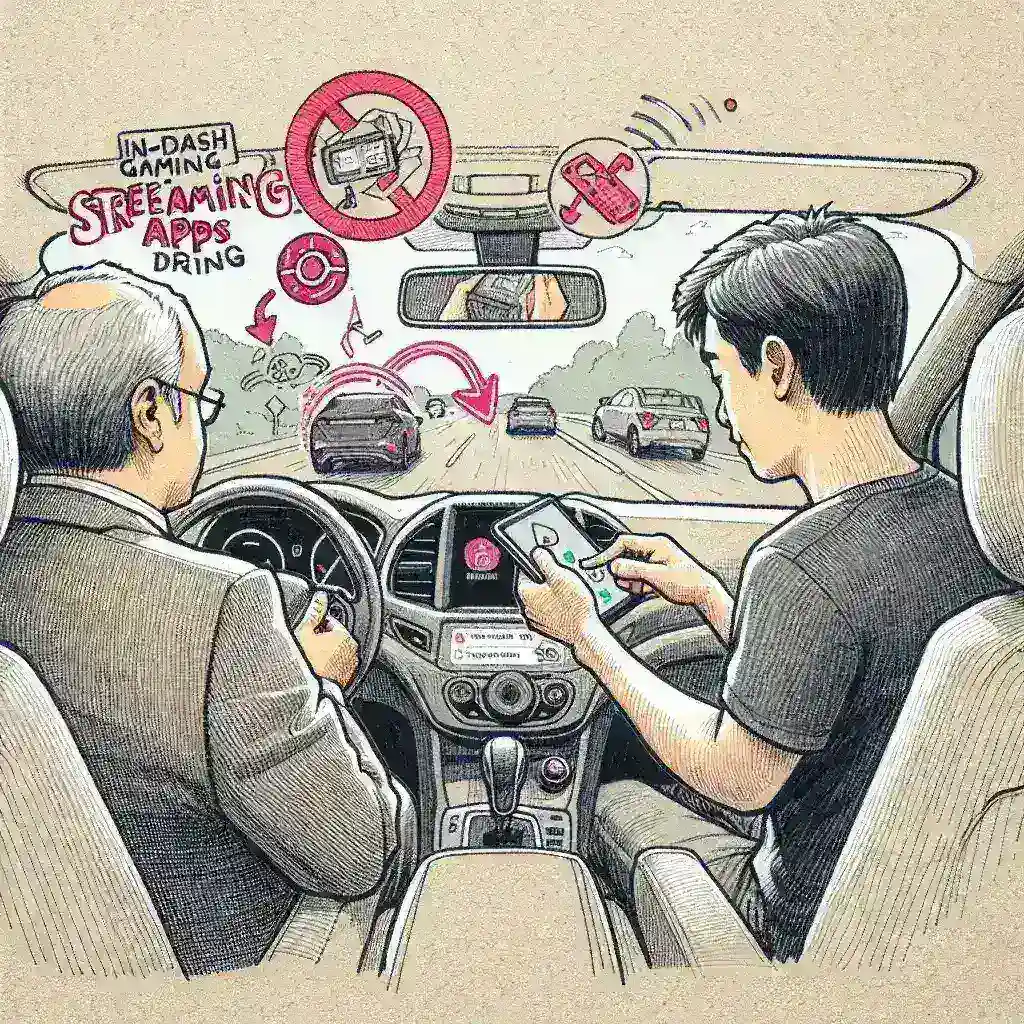
The rise of technology in automobiles has transformed the driving experience, with in-dash gaming and streaming apps becoming increasingly commonplace. However, the National Highway Traffic Safety Administration (NHTSA) has raised concerns about the potential distractions these applications pose to drivers. This article delves into the NHTSA’s studies on distraction impacts of in-dash gaming and streaming apps, examining both the challenges and opportunities presented by these innovations.
The Growing Trend of In-Dash Technology
In the past decade, the integration of technology within vehicles has skyrocketed. As manufacturers implement advanced infotainment systems, features such as gaming and streaming have found their way into dashboards. According to a recent report, nearly 70% of new vehicles now come equipped with some form of in-dash entertainment system, enabling drivers to access games and streaming services on the go.
The Allure of Gaming and Streaming Apps
For many drivers, the allure of gaming and streaming lies in the convenience and entertainment value they provide. Long commutes and traffic jams can be tedious, and having access to games or movies can help alleviate the boredom. However, the NHTSA’s studies highlight a critical question: at what cost?
Understanding the NHTSA’s Findings
The NHTSA has conducted multiple studies assessing the effects of in-dash gaming and streaming applications on driver attention and safety. Some key findings include:
- Distraction Levels: The studies indicate that engaging with gaming apps can significantly divert a driver’s attention from the road. Simple tasks, such as changing a song or answering a call, are less distracting than interactive games.
- Visual and Cognitive Load: Streaming video content not only demands visual attention but also increases cognitive load, leading to slower reaction times in critical driving situations.
- Increased Accident Risk: Data shows that drivers who engage with their in-dash systems are more likely to be involved in accidents compared to those who do not.
Historical Context of Driver Distraction
Driver distraction has been a long-standing issue, dating back to the introduction of the first car radios. As technology evolved from basic radios to smartphones, the potential for distraction increased exponentially. The NHTSA has been actively working to raise awareness about the risks associated with driver distraction. With in-dash gaming and streaming apps now on the rise, the agency aims to address these new challenges.
The Pros and Cons of In-Dash Entertainment
Advantages
- Enhanced Experience: In-dash gaming and streaming apps can provide entertainment, making travel more enjoyable for passengers.
- Innovative Technology: These systems push the boundaries of vehicle technology, appealing to tech-savvy consumers.
Disadvantages
- Driver Safety: The primary concern remains the safety of drivers and passengers. The potential for distraction, as identified in NHTSA studies, poses a significant risk.
- Legal Implications: As awareness of these distractions grows, potential regulations may emerge, affecting manufacturers and users alike.
Future Predictions
Looking ahead, the NHTSA’s ongoing research will be crucial in shaping the future of in-dash entertainment technology. Manufacturers may need to implement more robust measures to ensure that gamers and streamers can enjoy their apps without compromising safety. Predictions indicate that:
- New regulations may limit the types of games and streaming services available to drivers.
- Technology may evolve to include advanced driver-assistance systems (ADAS) that mitigate the risks posed by distractions.
Conclusion
As we embrace the conveniences of in-dash gaming and streaming apps, the findings from the NHTSA underscore the importance of prioritizing safety on the roads. While the appeal of entertainment is undeniable, understanding the potential distractions is crucial for both manufacturers and consumers alike. Continuous research and dialogue will be essential in navigating this technological landscape safely, ensuring that innovation does not come at the expense of driver’s lives.