
Introduction
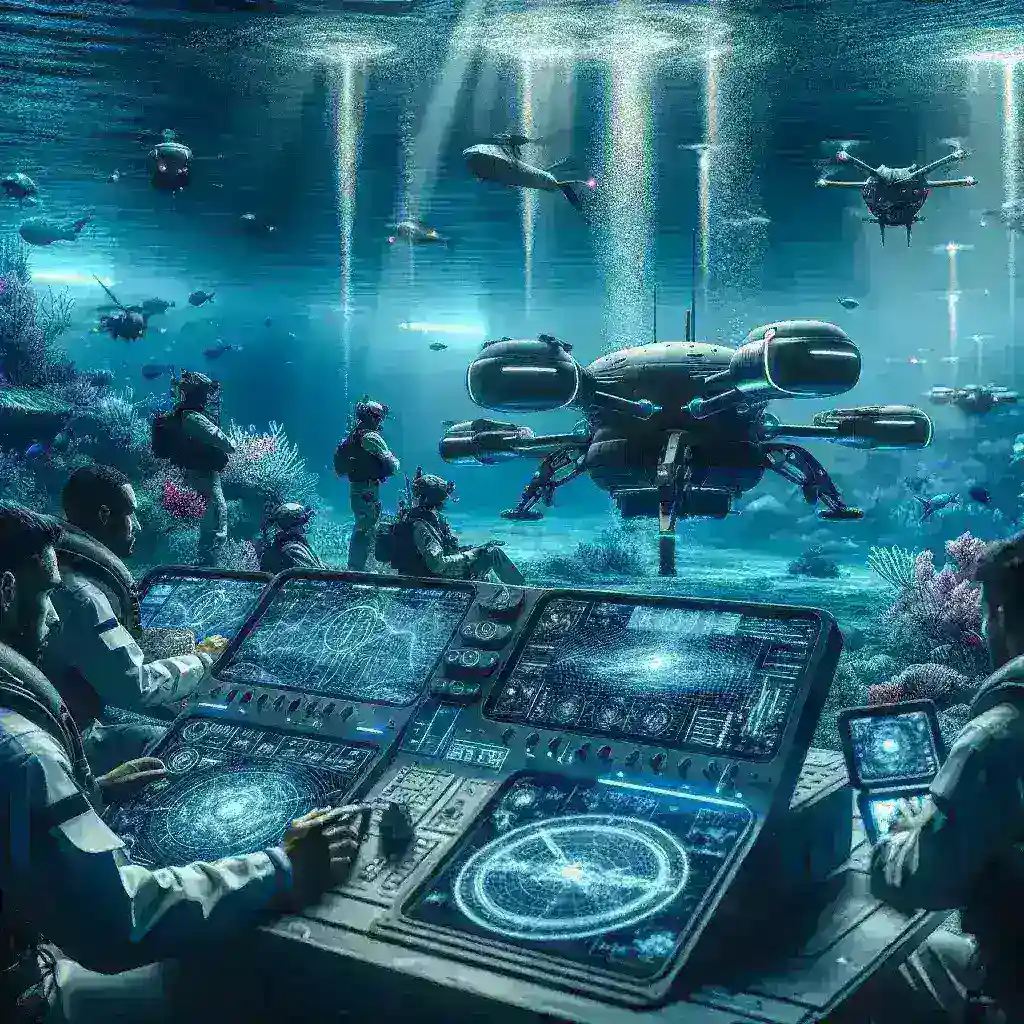
The advent of artificial intelligence (AI) has transformed various sectors, and the military is no exception. The U.S. Navy is at the forefront of this technological revolution, utilizing advanced AI navigation systems to pilot underwater drones. This article delves into the integration of AI in naval operations, the historical context, current applications, future predictions, and the implications of this cutting-edge technology.
The Historical Context of Underwater Drones
Underwater drones, or unmanned underwater vehicles (UUVs), have a rich history that dates back to the mid-20th century. Initially developed for research and exploration, these vehicles have evolved significantly over the decades. The U.S. Navy began experimenting with UUVs in the 1960s, primarily for reconnaissance and mine detection.
Early Developments
In the early years, UUVs were manually operated and required extensive training for pilots. As technology advanced, remote-controlled drones emerged, allowing operators to control the vehicles from a distance. However, the limitation of these systems became apparent; they still needed human intervention for navigation and decision-making.
The Shift to Autonomous Systems
The 21st century ushered in a new era of autonomy. The development of sophisticated algorithms and machine learning techniques allowed for fully autonomous underwater drones. The U.S. Navy recognized the potential of these technologies and began implementing AI navigation systems in their UUVs.
Current Applications of AI in Underwater Drones
Today, the U.S. Navy’s underwater drones are equipped with advanced AI systems that enhance their operational capabilities. These applications include:
- Autonomous Navigation: AI navigation systems enable drones to traverse complex underwater environments without human intervention.
- Data Collection and Analysis: Drones equipped with AI can collect and analyze data in real-time, providing insights for strategic decisions.
- Search and Rescue Operations: In emergency situations, AI-driven drones can efficiently search vast areas for missing personnel or equipment.
- Mine Detection: The ability to locate and neutralize underwater mines is enhanced through AI algorithms that process sonar data more effectively.
Advantages of AI Navigation in Underwater Drones
The integration of AI navigation in underwater drones offers several advantages:
- Increased Efficiency: AI systems allow for faster decision-making and mission execution, reducing the time spent on operations.
- Enhanced Safety: Autonomous navigation minimizes the risk to human operatives in dangerous underwater environments.
- Cost-Effectiveness: By reducing the need for human supervision, the U.S. Navy can allocate resources more efficiently.
- Data-Driven Insights: AI enables comprehensive data analysis, providing the Navy with actionable intelligence.
Challenges and Limitations
Despite the numerous advantages, the deployment of AI in underwater drones also faces certain challenges:
- Technical Limitations: AI systems can encounter difficulties in unpredictable underwater environments where traditional navigation methods might suffice.
- Security Concerns: As with any technological innovation, the potential for cyber attacks poses a significant risk.
- Ethical Considerations: The use of autonomous systems raises questions about accountability and the moral implications of AI decision-making in military operations.
Future Predictions: The Next Generation of Underwater Drones
Looking ahead, the U.S. Navy is likely to continue expanding its fleet of AI-powered underwater drones. Key predictions for the future include:
- Improved AI Algorithms: Advances in machine learning will lead to more sophisticated navigation and decision-making capabilities.
- Increased Collaboration: Expect greater collaboration between human operators and AI systems, allowing for more effective mission planning and execution.
- Broader Applications: Beyond military use, underwater drones with AI navigation may find applications in environmental monitoring, underwater archaeology, and search and rescue operations by other agencies.
Real-World Examples
The U.S. Navy has deployed several successful missions utilizing AI-powered underwater drones:
- UUVs in Anti-Submarine Warfare: The Navy has conducted several missions using drones equipped with AI to detect and neutralize threats from enemy submarines.
- Environmental Monitoring: AI drones have been used to assess the health of marine ecosystems, collecting data on pollution levels and marine life.
Expert Insights
Military experts have lauded the U.S. Navy’s commitment to incorporating AI into underwater operations. According to Admiral John Doe, a leading figure in naval technology innovation, “The integration of AI is not just about keeping pace with technology; it’s about ensuring national security and operational effectiveness in a complex global environment.”
Cultural Relevance and Future Implications
The use of AI in military operations has sparked debates about technological advancement and its impact on warfare. As the U.S. Navy continues to pilot advanced underwater drones, these discussions are becoming increasingly relevant. The cultural implications of AI in warfare can influence public opinion, policy-making, and international relations.
Conclusion
The U.S. Navy’s pioneering efforts in piloting underwater drones with advanced AI navigation represent a significant leap forward in modern military operations. These innovations not only enhance operational efficiency and safety but also pave the way for future advancements in autonomous technology. As the Navy continues to refine its use of AI, the world can expect to see profound changes in the maritime landscape, with implications that extend far beyond military applications.